Lines Left on The Cutting Room Floor - January 23, 2019

You crane your neck, stand on your toes. “My home,”
he whispers, nothing in his eyes, “could hold
both of us. Hunger forces love to roam,
makes the body someone else’s tool.
I offer what I can against the cold.”
Sunlight makes each of his words a jewel.

Lines Left on The Cutting Room Floor - January 22, 2019

Part ways with what you’ve hidden on your tongue.
How else escape this life to which you’ve clung?

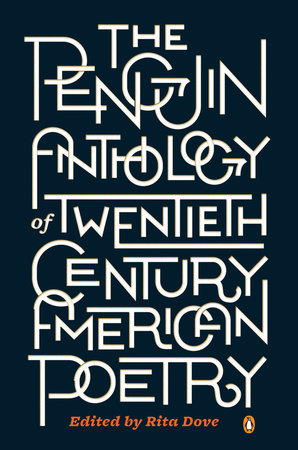
This is the first poetry anthology I’ve ever read cover to cover. Now that I’ve finished it, I appreciate Bill Moyer’s blurb on the back cover: “This is not your usual anthology. The poems were selected for what they tell us about American history, our story.” 📚

A Trip Down Memory Lane

In 1988-89, I taught English in South Korea. Han Young Ae was one of the most popular Korean singers at the time. I recently found YouTube videos of two of my favorite songs from that time. The second one, “Lucille,” is actually a tribute to B. B. King and his guitar.

Lines Left on The Cutting Room Floor - January 21, 2019

You crane your neck, stand on your toes. “My home,”
he whispers, nothing in his eyes, “could hold
both of us. Hunger forces love to roam,
makes the body someone else’s tool.
I offer what I can against the cold.”
Sunlight makes each of his words a jewel.

Lines Left on The Cutting Room Floor - January 20, 2019 (Birthday Version)

Detachment carves a lack into a line.
Curled on either side, a farewell waits
to force a fledgling language to be built.

The narrow slit through which you try to fly
becomes the compromise you need. Imply
what you wish. The work’s beginning, careful, poised,

shapes the last disparity your words
erase. Embrace those weakened wings; forgo
the skies. Know this: obstacles aren’t lies.

A post I wrote about abortion in Jewish law that some here might find interesting. It’s part of a relatively intense discussion on a blog called Alas, where I am a not-as often-as-I-used-to contributor and moderator.

Lines Left on The Cutting Room Floor - January 18, 2019

The child hung suspended in midair
like hope, a seagull floating over sand,
an explanation hovering, about to land.
You cannot choose what you refuse to see.
Plans do fail. Don’t make luck your enemy.

Lines Left on The Cutting Room Floor - January 17, 2019

The line of people leaving, a living scar
across the flesh that was our home, stretched far
beyond where I, at six years old, could see.
Even now, that child breathes in me.

I’m in an online discussion of Nancy MacClean’s Democracy in Chains. Has anyone here read it, paid any attention to the controversy surrounding it? Would you be willing to share your thoughts a little bit?

Lines Left on the Cutting Room Floor - January 16, 2019

Desire’s undiluted sequence ends
the scene, concealing what will save us. Claim
the center. Don’t pretend you didn’t aim
if what’s outside the camera’s frame offends.
Beyond the masks we wear, beyond the blame,
a name twists around your failure. Make
amends, but don’t forget: all that conforms
survives. It’s simple. You let your old self fall,
a leaf in autumn, alive with color, but dead.

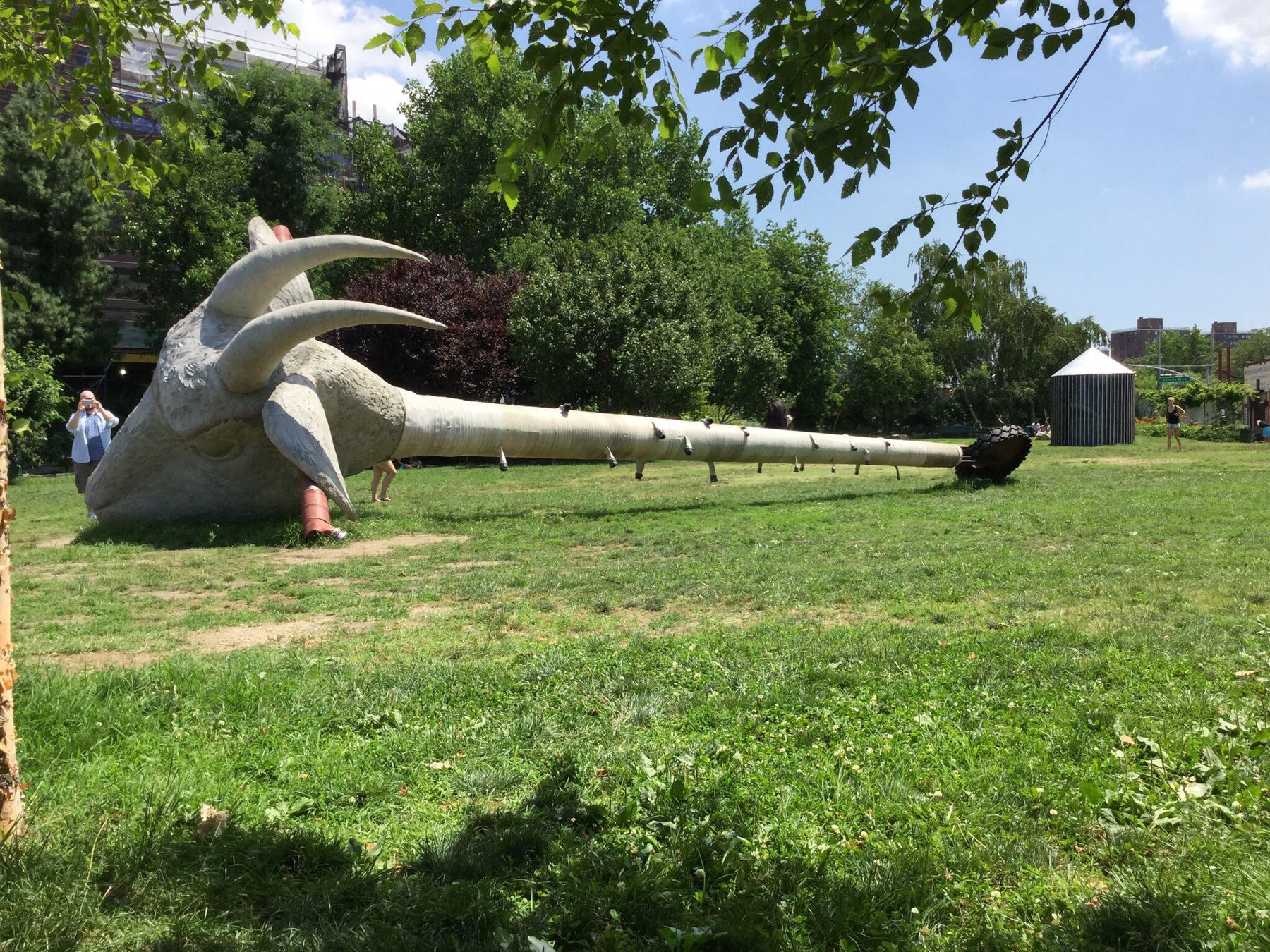
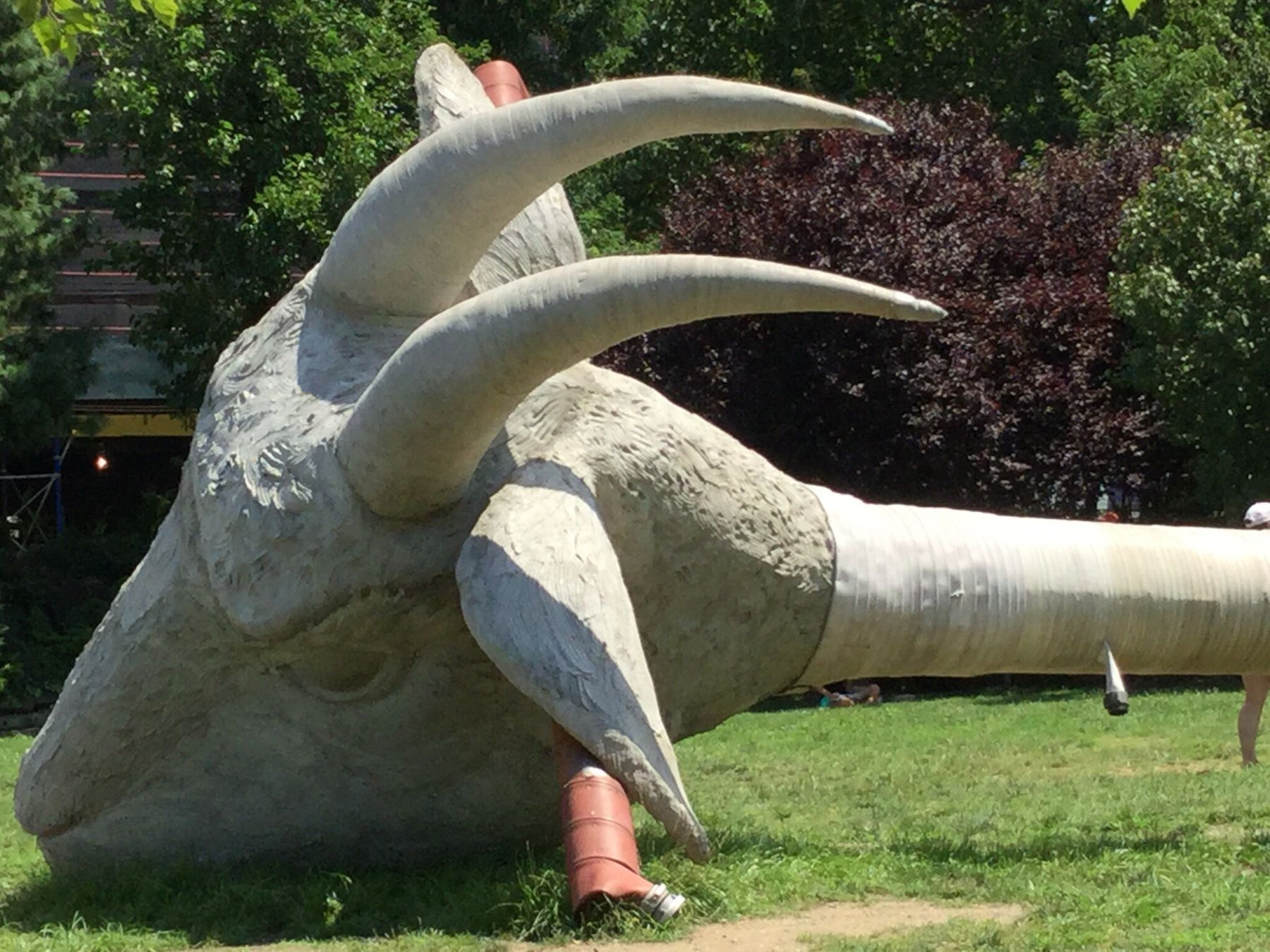
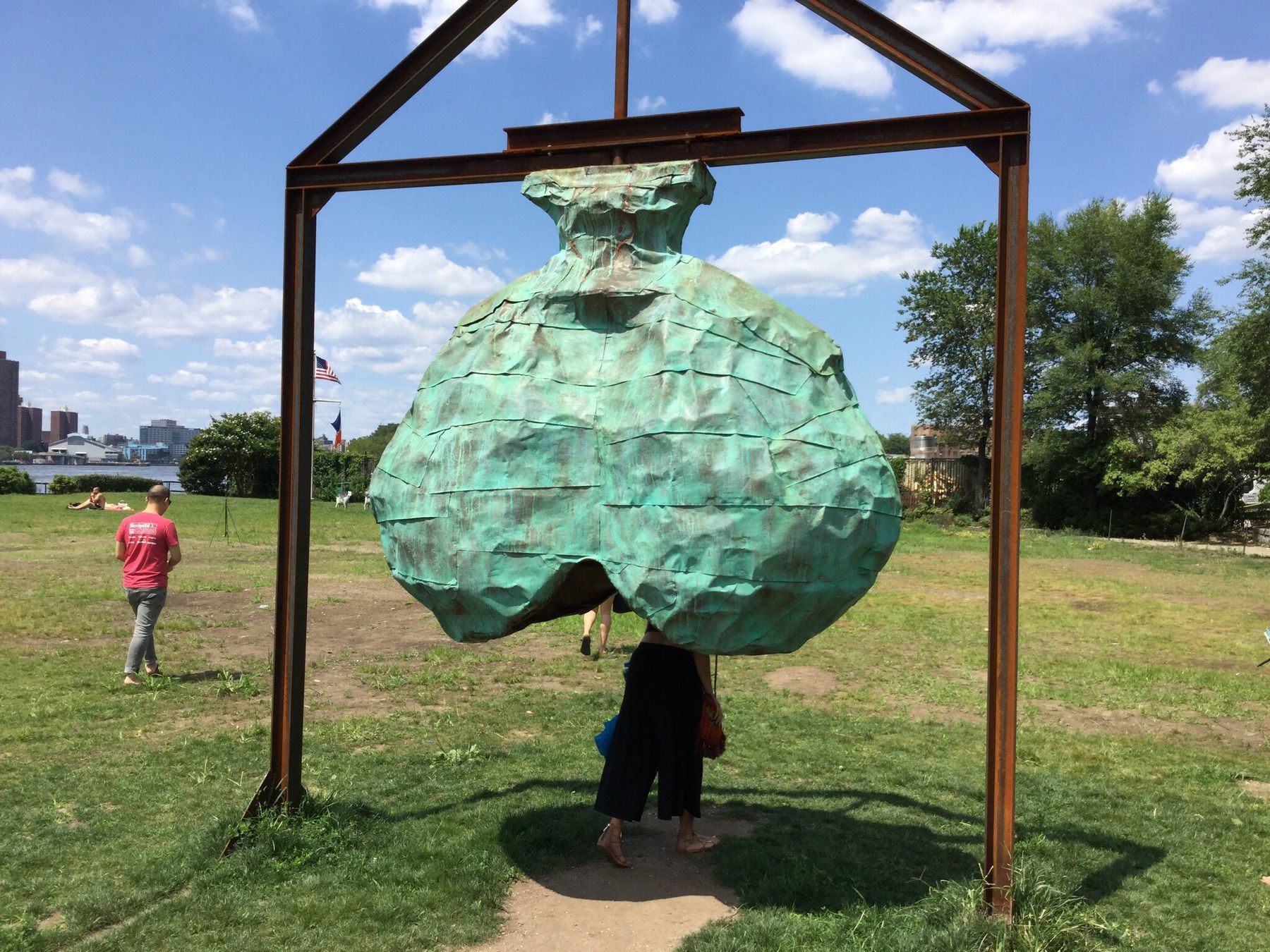
Socrates Park, Long Island City, three or so years ago.

Lines Left on The Cutting Room Floor - January 14, 2019

Across the span, as counterpoint, a flock
of pigeons lifted into flight. “We get,”
he said, “a bullet each. If you do not die,
you do not die.” Nothing I regret
hurts more than this: I watched the cloudless sky
refuse to darken; I did not watch their guns
refuse to kill, or the rising of all those suns.

One more quote from Metres:

Surveillance is observation without consequences…The danger of our post-9/11 world is not merely that we know we are being surveilled; it is that we have willingly acceded the realm of the private in our daily lives. Social media has become another way that we can be controlled. If observation means witness, then it can never be surveillance, because the witness is the one who stands in and testifies to their position and the position of the viewed simultaneously. To witness is to stand with oneself and with others, without regard for the consequences.

"The idea that I could be a writer gave me [hope]"

From The Sound of Listening: Poetry as Refuse and Resistance:

Writing seemed to stitch together the hurt disjoint between my bodily and psychic experience and my ability to speak through that experience. The idea that I could be a writer gave me comfort.

Though I would say “hope” instead of “comfort,” I don’t think I’ve ever read something that so thoroughly captures why I became a writer, and that is as true of the writing I read when I was younger as of the writing I did.

Finished reading: Though I Get Home by YZ Chin 📚

Elsevier journal editors resign, start rival open-access journal

www.insidehighered.com

This seems to me a good thing.

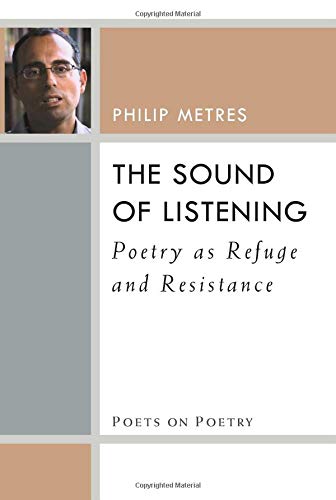
Currently reading: The Sound of Listening: Poetry as Refuge and Resistance by Philip Metres 📚

We rarely know if a poem that someone read led them to oppose a war, protect a victim of sexual violence, or protest against a pipeline cutting through native land. The arts are part of the technologies of consciousness-change–often solitary, occasionally communal–but their work is mostly unseen. (7)

Lines Left on The Cutting Room Floor - January 13, 2019

A child’s bleeding hid you from the truth,
loosed you from your moorings. Prove now that words
corrupted all you shared, that misaligned
beginnings are not lies, nor are they fate.

Beware the sparrow’s shadow. Don’t look back.
In pursuit of faith, console yourself that fear
was god’s first gift. Eschew the path it dare
not darken. Ride its current. Don’t look back!

Lines Left on The Cutting Room Floor - January 10, 2019

I cursed
the deal I cannot say I made in fear
and lifted my rifle. Even now I hear
what rose above the din. Later, I nursed
the shots I didn’t fire. She poured the beer.

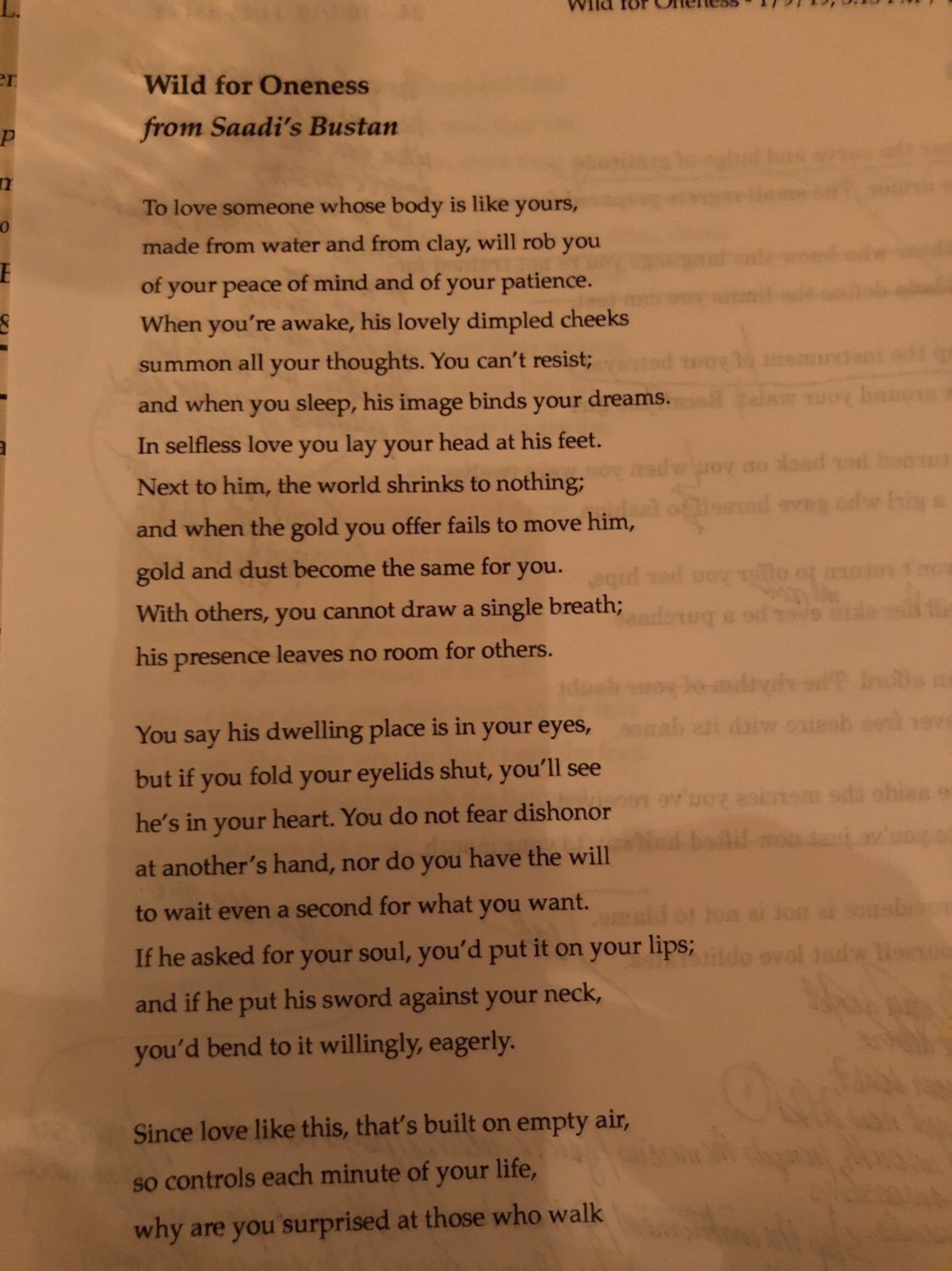
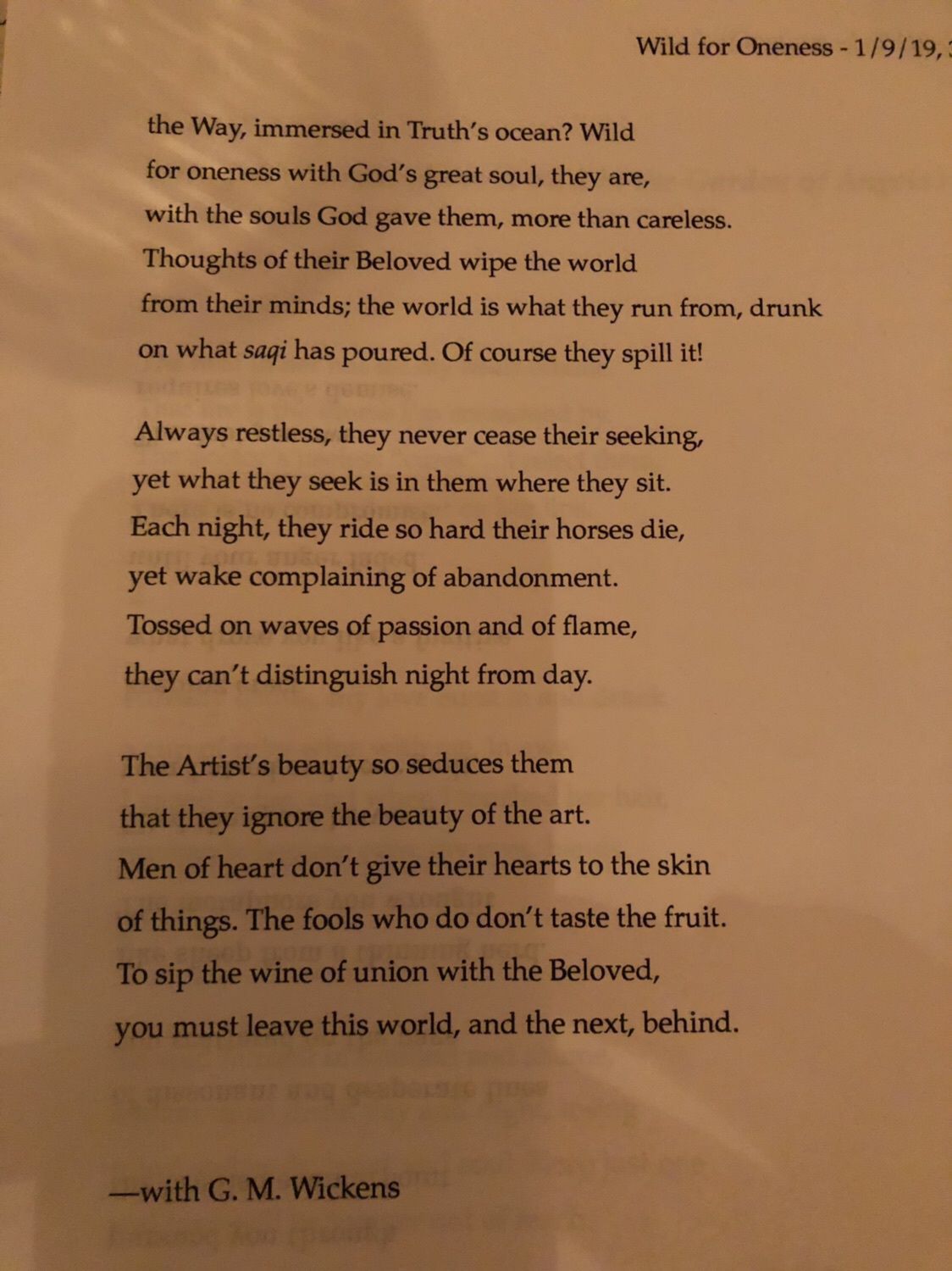
The first poem I will read a tonight. A translation from Bustan, by 13th century Persian poet, Saadi (contemporary of Rumi). I’m a bit nervous. Haven’t read translations for an audience in years. Then I will read new work and poems from both my books. No idea if they’ll “fit.”

Lines Left on the Cutting Room Floor - January 9, 2019

Desire feeds on what it finds, blurring
the borders of our narrative. The ones
who want to hide our past from us
have woven through that book you’re here to translate
a warning: “Precautions are superfluous.
They will be back. It is already late.”

I’m prepping Introduction to Literature, our second semester writing course, which I haven’t taught in a very long time, so I revised the vision statement with which my syllabus begins:

To learn to write well is to pursue a connection between your facility with language and the content, intellectual and otherwise, of your character. I do not mean by this that those who cannot write well have no character or that writing is the only way that people can demonstrate their character. I mean, simply, that you cannot write well if you do not try to make this connection, because not to try is to fail, as a writer, in holding yourself accountable for the quality of your own thinking. Or, to put it another way, it is to fail to take your own intellect seriously.

To write well and with purpose, it is also necessary to read with purpose, which means to approach texts not simply as something you are required to read, but as repositories of ideas, as entries into experiences, that deserve and, in the end, may command your attention. I do not assume that each student in my class will enjoy the texts I have assigned—and you will have an opportunity write about the experience of not enjoying them, if you so choose—but I do expect that you will take those texts seriously, as opportunities to learn something about reading, about literature and its place in our culture, and about yourselves. If you do that, I think you will find our class discussions and the assignments I ask you to do interesting, challenging, and worthwhile.

As a teacher, I measure my success not in how many A’s or B’s I give out—since grades reflect the surface of learning, not necessarily its quality—but in whether my students have begun to take on the responsibility of having ideas and of dis-covering within themselves the audacity (because I would be lying if I told you it did not take courage) to attempt to communicate those ideas in words that will command a reader’s attention above and beyond the fact that they were written in response to a classroom assignment. That responsibility, after all, is the foundation of both meaningful citizenship—in the sense of an engaged and critical participation in society—and the pursuit of a successful career, two core objectives of the liberal arts education you are here to acquire.

Makes me wonder exactly where this prohibition starts and ends