Received two emails today congratulating me that my poem was the Poetry Foundation’s Poem of the Day. Wasn’t mine. There’s another poet named Richard Newman, which is why I use my middle name. Last time, in the 1990s, people thought my poem in Prairie Schooner was his.

There is sad truth in this, from The NY Times: What I Know About Famous Men’s Penises

Oman sounds like a really interesting place: Muscat: Where the Arab World Meets the Indian Ocean

This is worth reading if you want to know something about the origins of the fear of the “great replacement” (of white people) on the right: The Gay French Poet Behind the Alt-Right’s Favorite Catch Phrase

A single boot on top of paper recycling. There’s a story behind this.

From the Catbird Seat: What it was like to be a woman and Consultant in Poetry to the Library of Congress in the early 1980s: Maxine Kumin: “One Poet’s View of Social Change at the Library of Congress”

Oy! Why is Netanyahu reviving Palestinians' ‘willing relocation’?

From Poets Corner, Matthew Baker: A poem by Sylvia Plath in honor of Women’s Equality Day

Chilling is an understated adjective to describe this: NYTimes: Trump Allies Target Journalists Over Coverage Deemed Hostile to White House

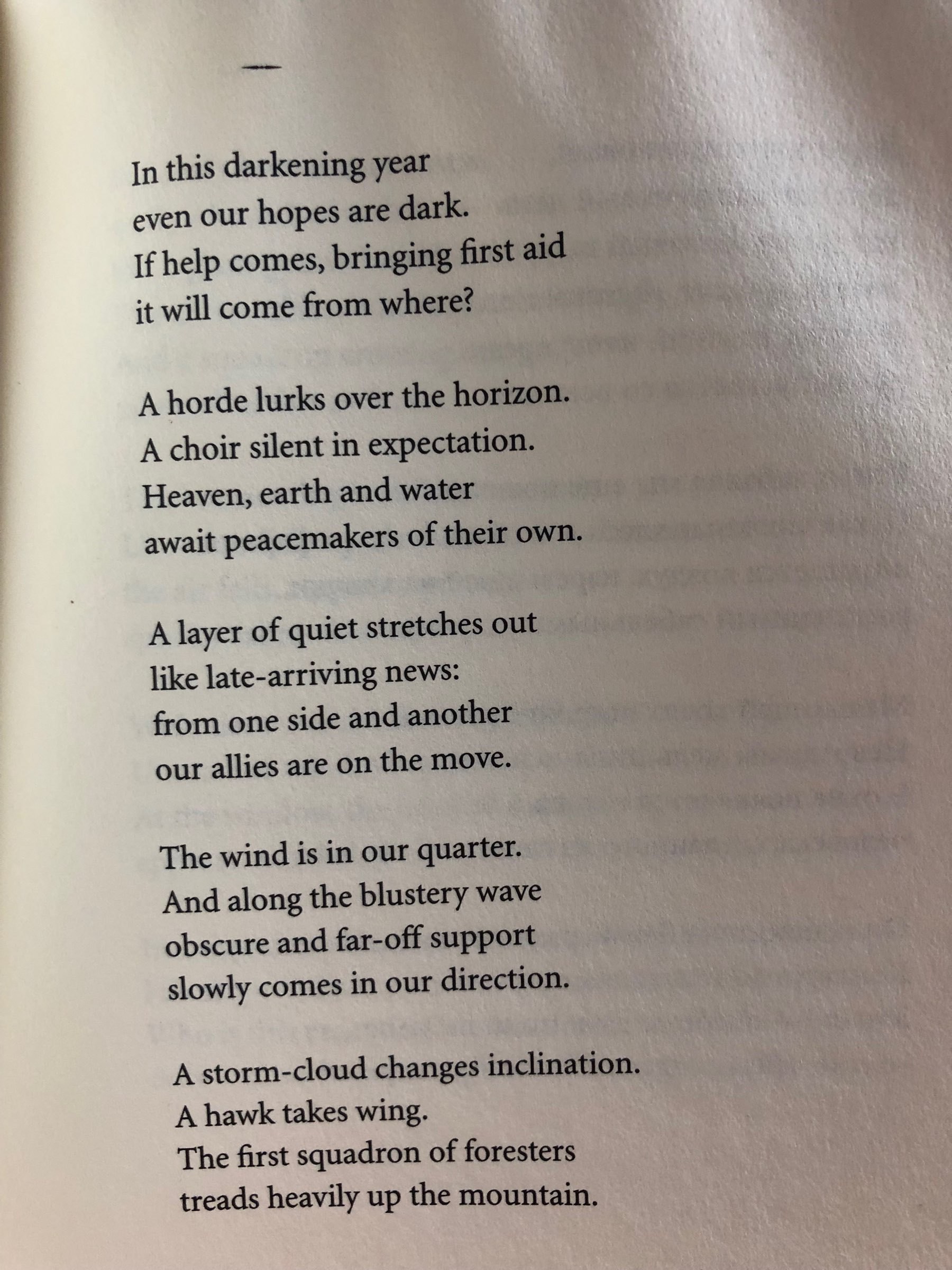
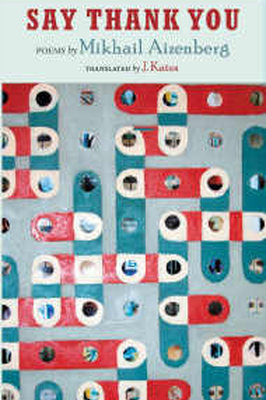
A dark poem for a dark time. From Mikhail Aizenberg’s Say Thank You, translated by J. Kates.

Seems like useful information to have. From The NY Times: Don’t pay the ransom if you’re hit by ransomware

It’s about time:

The motivations of men who commit mass shootings are often muddled, complex or unknown. But one common thread that connects many of them — other than access to powerful firearms — is a history of hating women, assaulting wives, girlfriends and female family members, or sharing misogynistic views online, researchers say.

This is worth reading about the international networking of the far right.

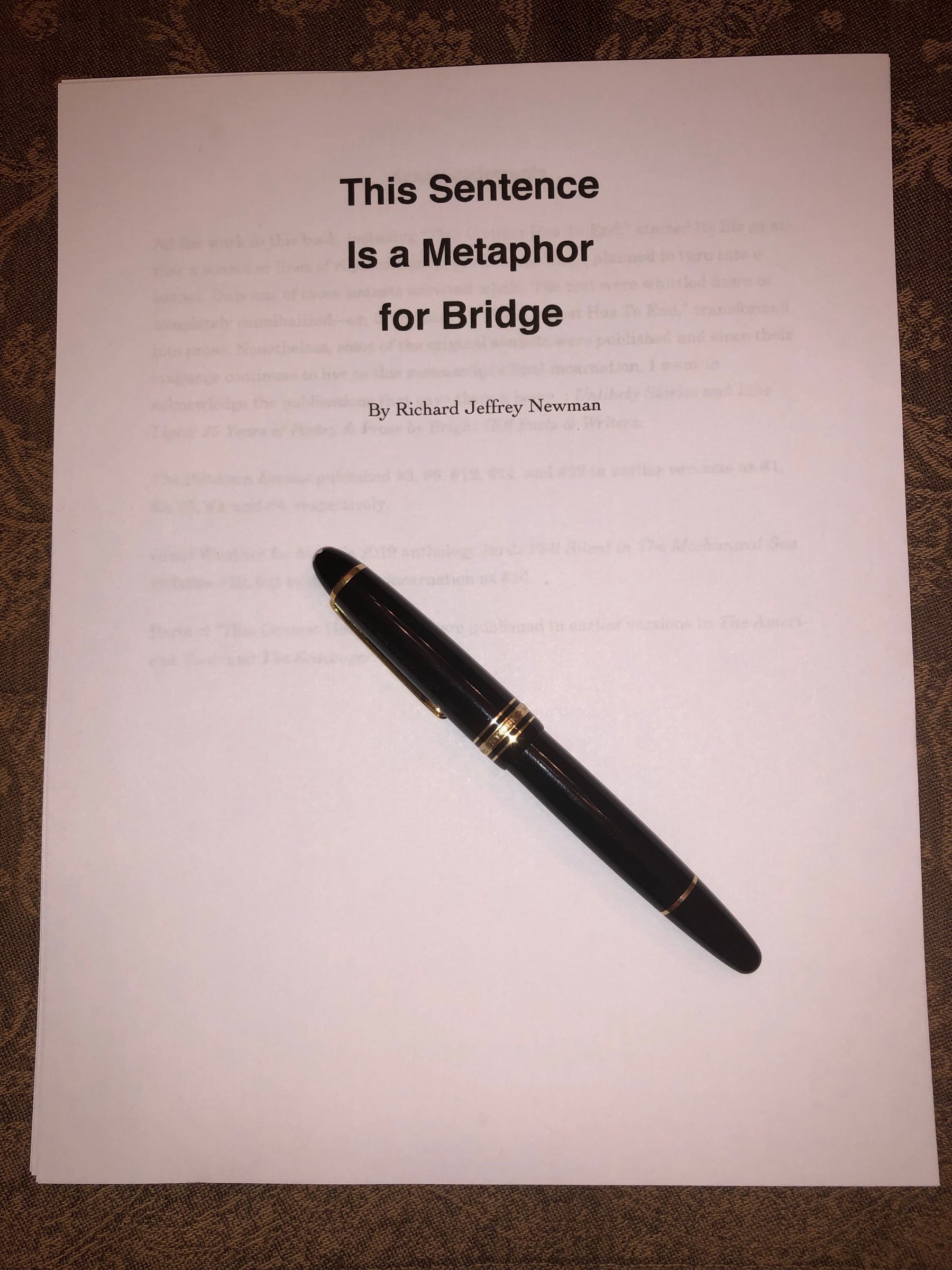
Made the final edits and layout corrections today and it’s off to its first destination, which will hopefully be its only one. We’ll see…

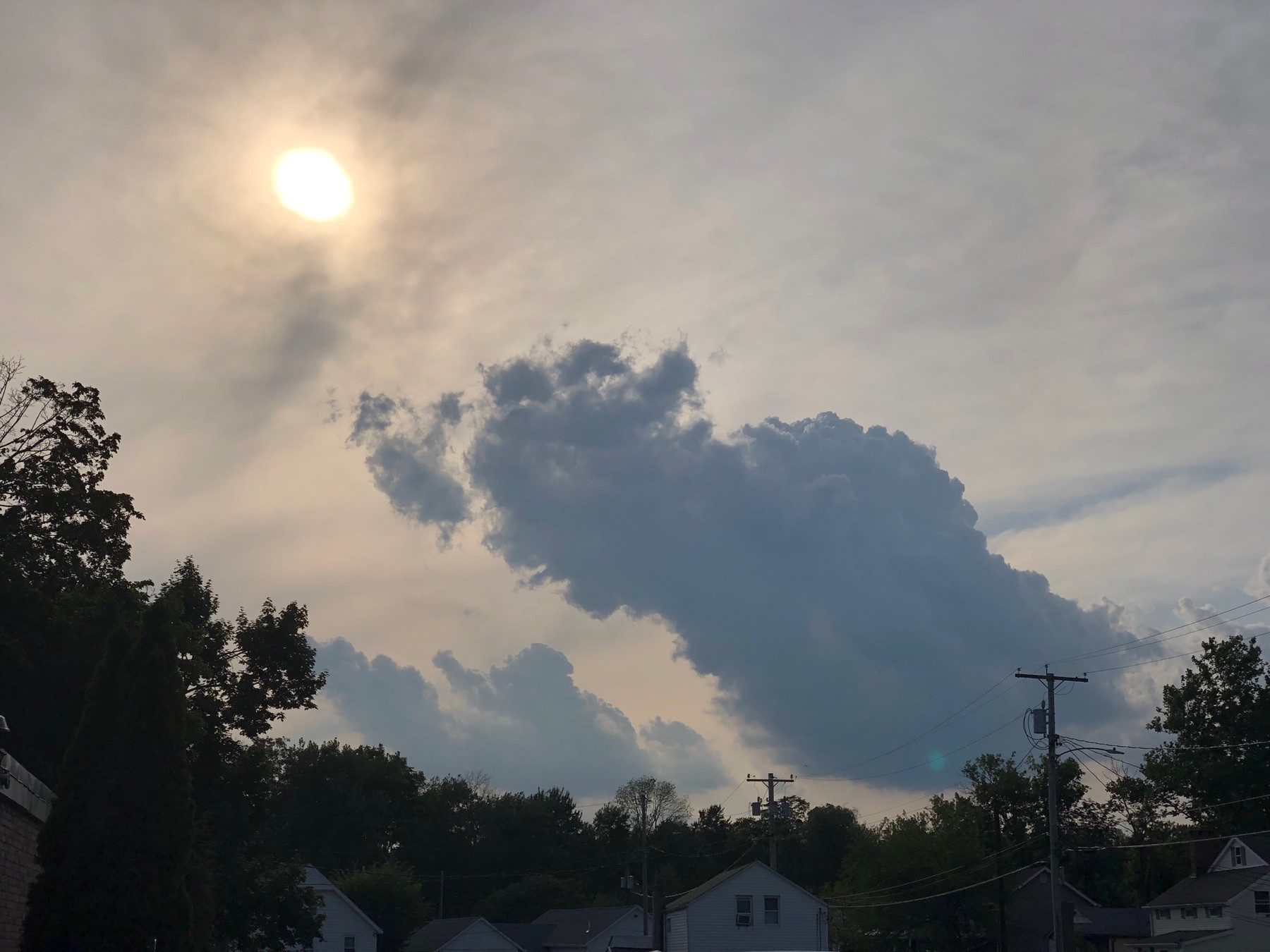
A forbidding sky in Fishkill, NY.

I’m at that point in the revision process where I’m convinced the book sucks. I will probably not feel that way tomorrow, though.

It’s an experimental narrative essay, so nonfiction, but this section is about a previous, failed attempt to fictionalize the essay’s subject, and I’m quoting at length from that attempt, making it, I guess, a nonfiction frame story. Now I’m wondering: Is that even a genre?

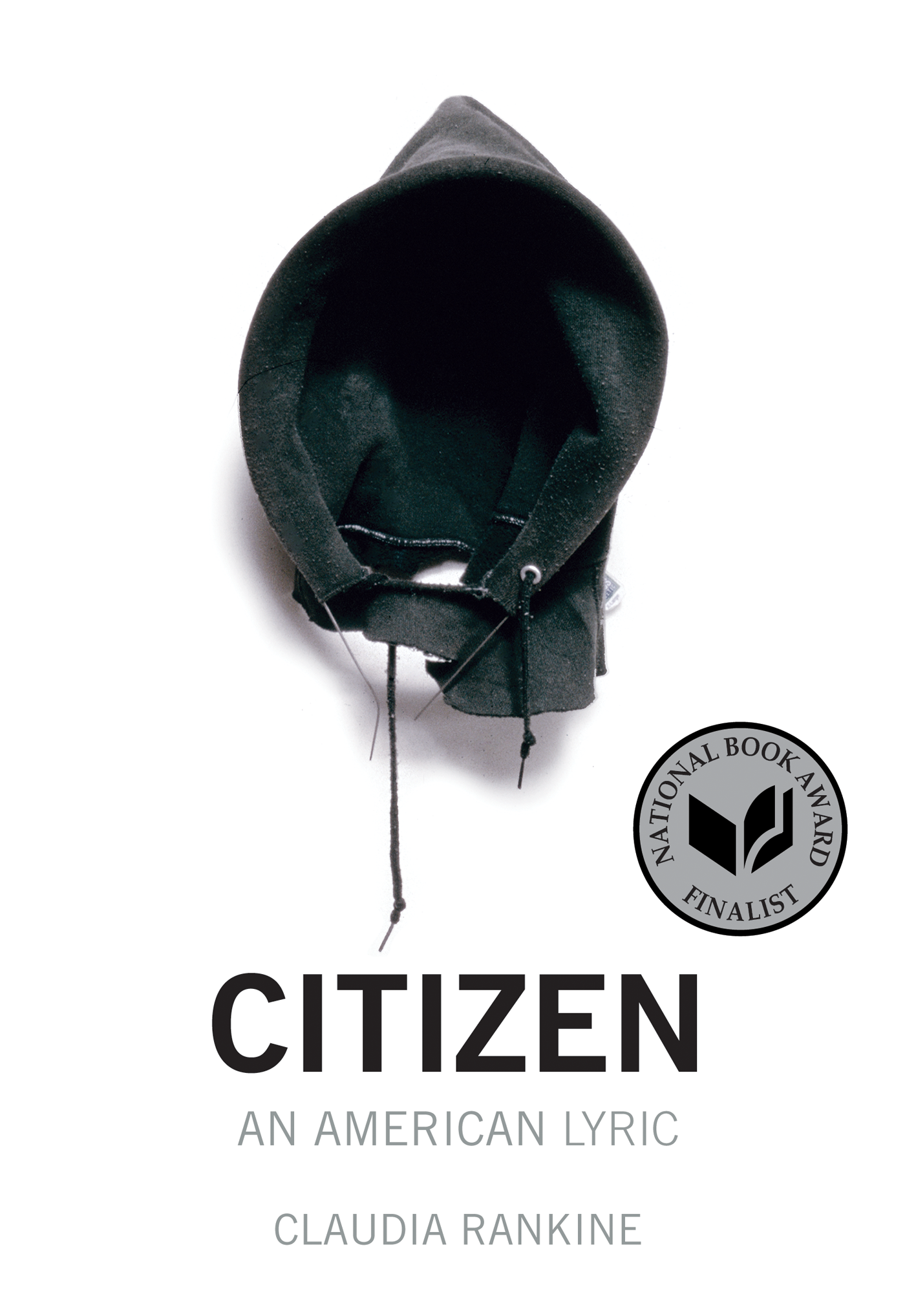
Finally started reading Citizen, by Claudia Rankine. So far, it’s as remarkable as everyone has said. 📚

There are two types of hijabs. The difference is huge. - The Washington Post. This is a really important thing to remember.

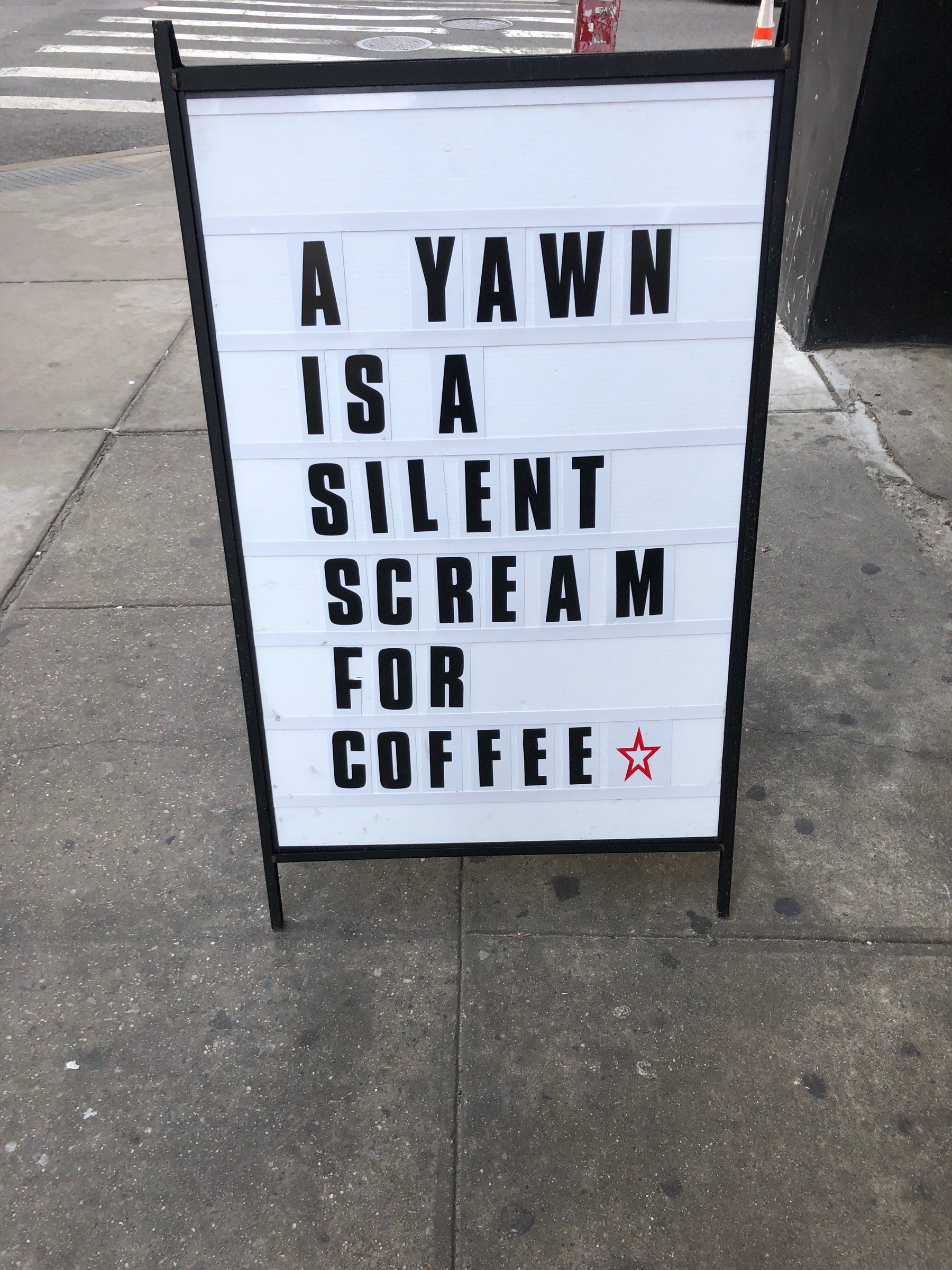
I don’t drink coffee, but I smiled at this.

The Financial Calamity That Is The Teaching Profession

The paragraphs below are from an article in The Atlantic by Alia Wong with the same title I’ve given to this post. I’m just going to let them speak for themselves.

“Teachers have never been particularly well paid, but in recent decades their financial situation has gotten remarkably worse, mostly for two major reasons. The first is that pay has not grown, concludes a recent analysis by the Economic Policy Institute, a left-leaning think tank, which finds that relative teacher wages “have been eroding for over half a century.” When adjusted for inflation, teachers’ average weekly pay has decreased by $21 from 1996 to 2018, according to the report, while that for other college graduates rose by $323. Data from the 2016-17 school year, the most recent for which federal statistics are available, show that K–12 teachers on average earned about $58,000 a year. In states such as Oklahoma and West Virginia—whose teaching forces each staged massive, high-profile strikes last year—the average pay is less than $46,000. In many places, educators are earning less in real terms than they did in 2009.

And the second pressure is the costs: In those same years that teacher pay has stagnated, common costs for a teacher’s household—housing, child care, higher education—have gotten much more expensive. That’s especially true in certain metro areas—San Francisco, Denver, and Seattle—where housing costs have exploded. Though these places see their real-estate markets driven by entrepreneurs, tech workers, bankers, and so on, they still need teachers, of course. In some of these places, officials have considered establishing affordable-housing communities that would be earmarked for teachers. On top of this, it’s become more common in the years since the recession for teachers to spend their own money on school supplies: Almost all public-school educators these days report shelling out personal cash for classroom products, allocating close to $500 a year on average, according to federal data.

Obviously, this financial picture becomes all the tighter when someone is also paying down student loans. Most bachelor’s-degree graduates—65 percent—have student debt, the average amount surpassing $28,000, according to the Institute for College Access and Success, a nonprofit that seeks to make higher education more affordable and available for Americans. But as of the 2015-16 school year, a little more than half of all K–12 educators also had postbaccalaureate qualifications like master’s degrees, which means they carry even more debt. A 2014 study found that people who’d earned a master’s in education had an average debt amount of roughly $51,000. (Those with an MBA, on the other hand, graduated with $42,000 in debt, on average.) For K–12 educators with a master’s degree, the average student-debt amount more than doubled between 2000 and 2012, according to one Education Next analysis.”

An important truth about the value of community colleges and the education students get there. I teach at one of the schools mentioned in the article. With some disciplinary exceptions, I’d stack us up against the first two years at any four year school.

Reading Say Thank You, by Mikhail Aizenberg, translated by J. Kates. Very interesting poems. I’ll have more to say when I am further into the book. 📚

The structure of a traditional literary reading turns the act of attending it into an act of consumption, ie, you are there to listen to a writer read their work and, maybe, to buy their book. How might you structure a reading so that attending it becomes an act of engagement?

One editor’s take on the current state of literary journals